
Lymphedema & Wound Care Management
Addressing lymphedema and wound care at Reviving Abilitities
Occupational therapy approaches lymphedema and wound care differently by focusing on how treatment fits into a person’s daily life—not just the condition itself.
Key differences:
Focus on daily function
Occupational therapists help patients manage swelling and wounds while still safely doing everyday activities like bathing, dressing, and moving around.Hands-on self-management training
Patients are taught simple, practical skills (like compression use, skin care, and basic wound care) so they can manage their condition independently at home.Routine-based care
Therapy is built into daily habits, making it easier to stay consistent with treatment.Adaptation and problem-solving
Therapists modify tasks, environments, or tools to match the patient’s abilities, especially for older adults or those with limited mobility.Whole-person approach
Care includes physical, cognitive, and lifestyle factors that may affect healing and compliance.
Occupational therapy goes beyond treatment by helping patients live their daily lives while effectively managing lymphedema and wound care.
Our approach to lymphedema treatment
-
Manual lymphatic drainage (MLD) is an important technique used in occupational therapy to help reduce swelling and improve how the body moves and heals. It involves gentle, hands-on massage that helps move excess fluid (lymph) out of swollen areas.
For people receiving occupational therapy—especially older adults or those recovering from surgery, injury, or conditions like lymphedema—MLD can:
Decrease swelling and discomfort
Improve movement and flexibility
Support healing of tissues
Make it easier to perform daily activities like dressing, bathing, and walking
By reducing swelling and improving comfort, MLD helps patients stay more independent and better participate in their everyday routines.
-
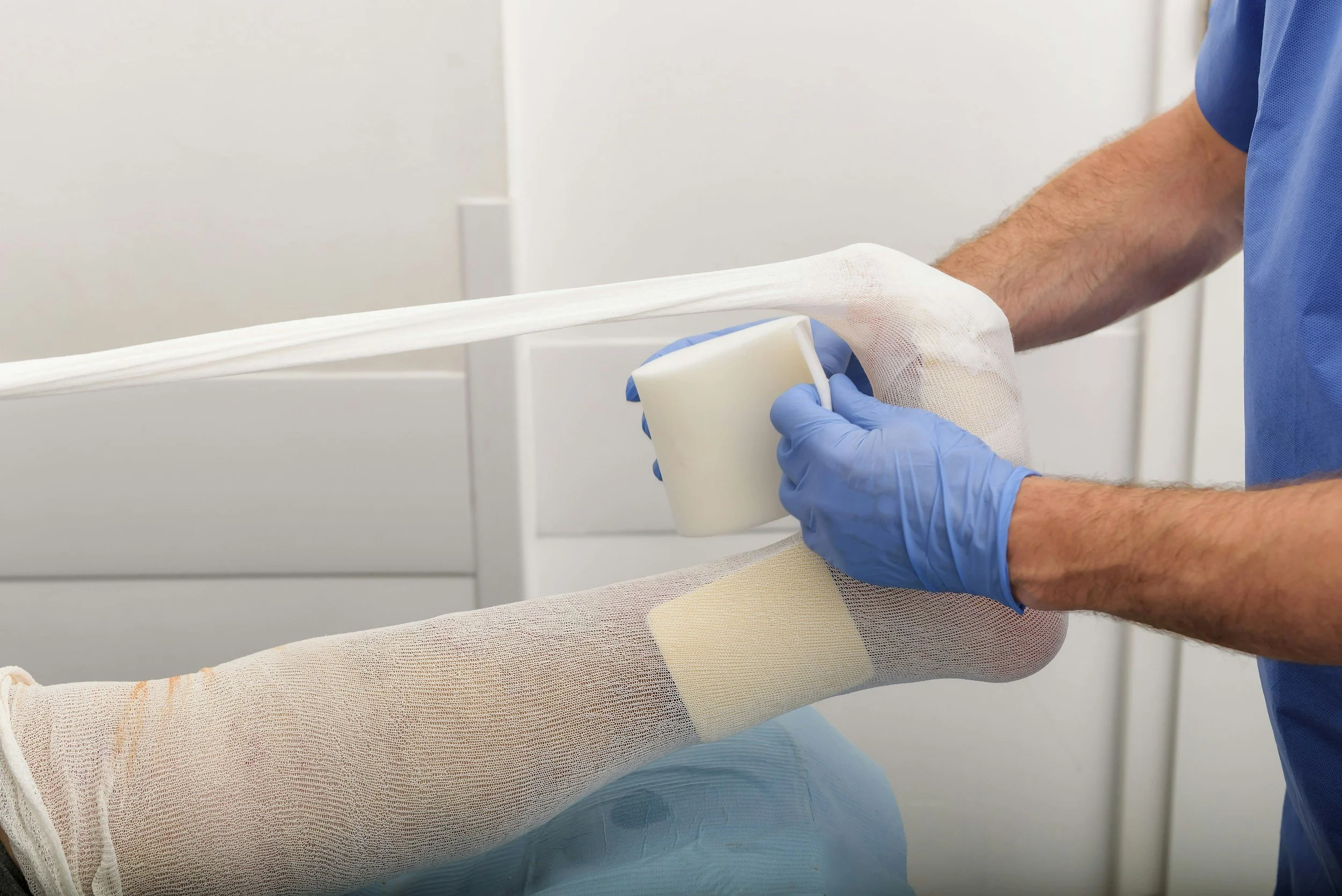
Compression therapy is a key part of managing lymphedema. It uses specially designed garments or bandages (like sleeves, stockings, or wraps) to gently apply pressure to a swollen area. This pressure helps move excess fluid out of the tissues and prevents it from building up again.
In simple terms, compression therapy:
Reduces swelling
Keeps fluid from coming back
Supports better circulation
Helps the affected limb feel lighter and more comfortable
Occupational therapy plays an important role in making compression therapy effective and manageable in daily life. Occupational therapists:
Assess the patient’s needs and recommend the right type of compression (garments, wraps, or bandaging)
Teach proper use, including how to safely put on, take off, and care for compression items
Address daily challenges, helping patients adapt tasks like dressing or bathing while wearing compression
Promote independence, especially for older adults or those with limited mobility
Integrate therapy into routines, so patients can consistently manage their condition at home
By combining compression therapy with practical, everyday strategies, occupational therapy helps people control swelling, stay comfortable, and maintain independence in their daily activities.
-
As an Occupational Therapist and Certified Wound Care Therapist, I provide evidence-based wound management focused on promoting healing, preventing complications, and helping individuals safely return to their daily routines. My approach combines advanced wound care techniques with functional rehabilitation to improve independence and overall quality of life.
Areas of Practice
Chronic and non-healing wounds
Pressure injury prevention and management
Diabetic and vascular wound care
Post-surgical wound management
Edema and lymphedema management
Skin integrity assessment and prevention
Functional rehabilitation to support safe healing
Patient and caregiver education for long-term wound management
-
Occupational therapy helps people manage lymphedema, compression therapy, and wound care at home so they can stay consistent with treatment outside of the clinic.
In simple terms, occupational therapists help by:
Creating easy routines
They build simple daily plans for compression, skin care, and movement that fit into the patient’s normal day.Teaching step-by-step skills
Patients and caregivers learn how to put on compression garments, care for wounds, and check for problems.Making tasks easier
Therapists show easier ways to dress, bathe, and move while protecting the skin and managing swelling.Using helpful tools
They recommend items like dressing aids or compression tools to make self-care more manageable.Preventing problems
Education on skin care and early warning signs helps avoid infections and worsening swelling.Supporting independence
The goal is for patients to confidently manage their care on their own at home.
By keeping treatment simple, practical, and part of everyday life, occupational therapy helps people stay consistent, heal better, and maintain independence.